10 Most Common Home Inspection Findings in Southwest Florida
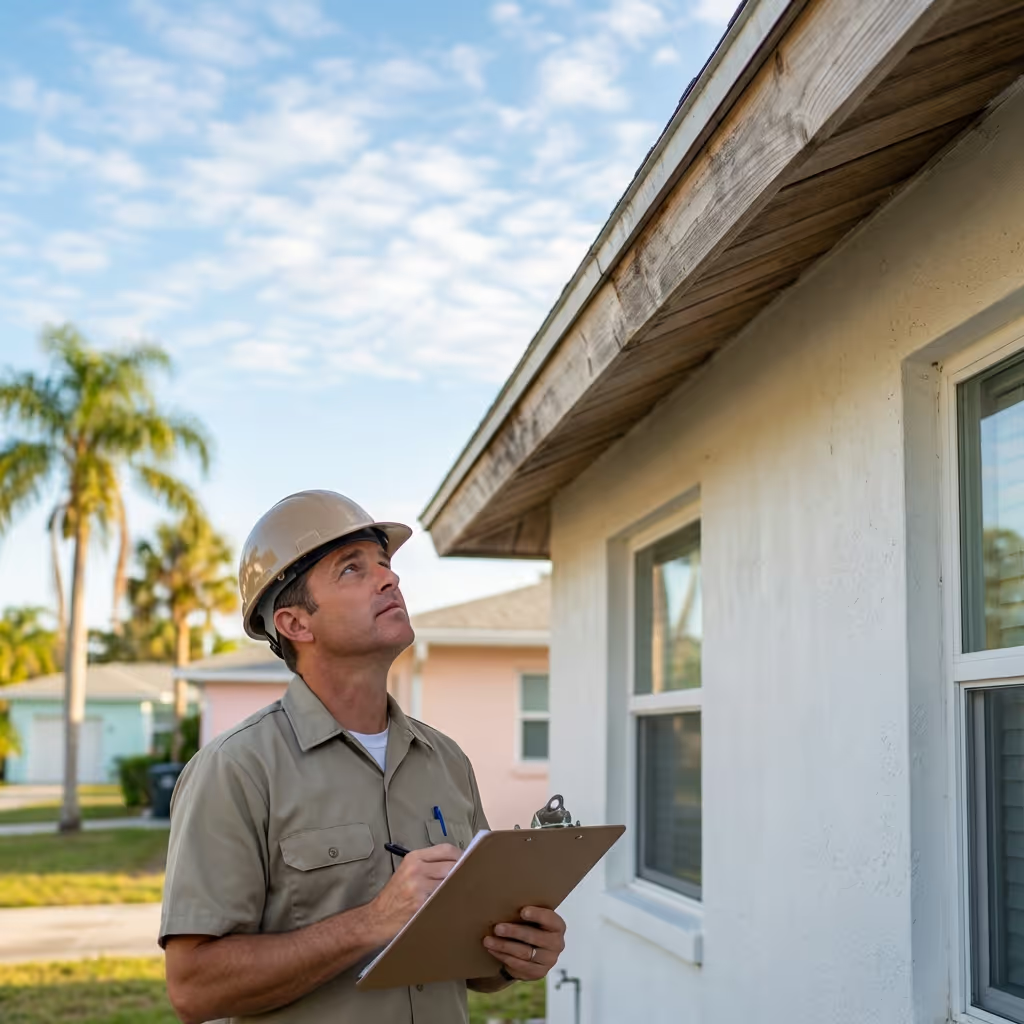
Every home inspection blog on the internet is written by an inspector or a realtor. They tell you what gets flagged. They don't tell you what it actually takes to fix it, what it costs, or how long the work takes — because they've never done the repairs themselves.
We have. Our team at Chad The Handyman handles home inspection report repairs across Estero, Naples, Fort Myers, and Bonita Springs every single week. We've gone through hundreds of reports — for buyers, sellers, and realtors working against tight closing deadlines. We know what shows up on these reports because we're the ones who fix it.
This post covers the 10 most common home inspection findings in Southwest Florida, written from the perspective of the licensed contractor who actually performs the repairs. For each finding, you'll get what inspectors flag, why it happens here specifically, what the repair involves, and what it typically costs.
Why Florida Home Inspections Are Different
If you're relocating from the Midwest, Northeast, or anywhere that isn't subtropical, your Florida inspection report will look different from what you're used to. The climate down here puts stress on houses in ways that homes in Ohio or Michigan never experience.
Humidity is the biggest factor. Southwest Florida averages 75-80% relative humidity for much of the year. That moisture affects everything — wood, drywall, electrical connections, ductwork, and anything metal. Your air conditioning runs 10-12 months out of the year, and the temperature differential between the cooled interior and the hot exterior creates condensation in places you wouldn't expect.
Then there's hurricane exposure. Every home in Lee and Collier County sits in a wind zone that demands specific building standards — hurricane straps, impact-rated windows or shutters, reinforced garage doors. Inspectors check all of it. Salt air affects homes within 10-15 miles of the coast, corroding aluminum, eating through fasteners, and degrading exterior finishes years ahead of schedule.
The result is a home inspection report that includes Florida-specific findings you won't see in other states. A 4-point inspection — covering roof, electrical, plumbing, and HVAC — is often required by insurance companies for older homes. And Wood Destroying Organism (WDO) inspections are standard on nearly every transaction.
Understanding the local context matters because it shapes which findings are routine maintenance and which ones are genuine home inspection red flags.
1. Roof Damage and Aging
Roof issues appear on the majority of Florida home inspection reports. It's the single most scrutinized component because it's also the single biggest factor in your insurance premium. If the roof fails the 4-point inspection, the insurance company won't write a policy — and without insurance, the lender won't fund the loan. That makes roof issues home inspection findings that can stop a transaction cold.
What inspectors flag: Missing or lifted shingles, cracked or broken tiles, deteriorated flashing around vents and skylights, granule loss on asphalt shingles (the dark grit that washes into your gutters), sagging decking visible from the attic, and any sign of active or past leaks. They'll also note the roof's age and remaining useful life. In Florida, most insurers want a roof under 15-20 years old, depending on material.
Why it happens here: Florida roofs take direct UV exposure roughly 300 days a year. Summer afternoon thunderstorms pummel them from June through September. Hurricanes and tropical storms can rip shingles, break tiles, and compromise flashing in a single event. The combination of UV degradation and wind damage means roofs in Southwest Florida age faster than roofs anywhere else in the continental U.S.
What the repair looks like: Full roof replacement goes to a roofing contractor — that's outside our scope. But we handle the related items that inspectors flag alongside the roof: damaged fascia boards, rotted soffit panels, compromised flashing at wall-to-roof transitions, and water damage on the interior side (ceiling stains, soft drywall) once the roof leak is resolved.
Practitioner's note: When we see a roof-related finding, the first question is always whether the roof itself needs replacement or whether the issue is localized. A handful of missing shingles and some damaged flashing might cost $500-$2,000 for a roofer to address. Full replacement runs $10,000-$30,000+ depending on the size of the home and material. Know which one you're dealing with before you negotiate.
2. Water Intrusion and Moisture Damage
Water intrusion is the finding that makes everyone nervous — and for good reason. In Florida's humidity, any water that gets into your walls, ceilings, or floors creates a chain reaction: wood rot, mold growth, drywall failure, and potential structural damage. Moisture damage is one of the top home inspection issues in Florida.
What inspectors flag: Staining on ceilings and walls (brown rings or discoloration), soft or bubbling drywall, musty odors, elevated moisture meter readings, water stains around windows and doors, and dampness in the attic or crawl space. Inspectors may also note condensation on ductwork or around AC vents, which indicates humidity problems inside the building envelope.
Why it happens here: The sources of water intrusion in SW Florida are predictable: roof leaks (especially after storms), failed window and door seals, improperly graded landscaping that directs rainwater toward the foundation, AC condensation drain failures, and plumbing leaks behind walls. The year-round humidity makes it worse because even small amounts of trapped moisture don't dry out the way they would in a drier climate.
What the repair looks like: First, you find and fix the source. That might be a plumbing leak, a failed window seal, or poor exterior caulking. Then you address the damage. We cut out and replace water-damaged drywall, match the existing wall texture (orange peel, knockdown, or smooth), prime, and paint. If the wood framing behind the drywall shows rot, we replace the affected sections before closing the wall back up. The repair isn't complicated, but skipping steps — like patching over drywall without confirming the area is dry — leads to mold growth behind the patch within weeks.
3. Mold and Mildew Growth
Mold found during a home inspection in Florida isn't surprising. It's almost expected. Florida's combination of heat and humidity creates ideal growing conditions, and any home that has experienced water intrusion, poor ventilation, or AC problems will likely have some mold present. The question isn't if there's mold — it's how much and where.
What inspectors flag: Visible mold on walls, ceilings, or inside cabinets. Musty odors in specific areas. Black, green, or white discoloration on surfaces. Mold in the AC air handler, on ductwork, or around supply vents. Inspectors may recommend professional mold testing if the growth appears extensive.
Why it happens here: Mold needs three things: moisture, warmth, and an organic food source (drywall paper, wood, dust). Southwest Florida provides all three in abundance. Bathrooms without proper exhaust ventilation, AC systems that aren't maintaining proper humidity levels (your indoor humidity should stay below 60%), and any room where moisture gets trapped are prime locations. We see mold regularly in homes across Estero, Naples, and Fort Myers — in closets on exterior walls, under bathroom vanities, behind kitchen appliances, and in attic spaces.
What the repair looks like: Surface mold on hard materials (tile, glass, metal) can be cleaned. Mold on porous materials like drywall typically requires cutting out and replacing the affected section. For small areas under 10 square feet, we handle the removal and drywall replacement ourselves. Larger mold remediation requires a certified mold remediation company. Once remediation is complete, we come in to rebuild the affected areas — new drywall, texture matching, primer, paint.
4. Electrical System Issues
Electrical problems on a home inspection in Florida are the most common safety finding, full stop. We fix more electrical items from inspection reports than any other category. Missing GFCI outlets alone appear on virtually every older home we work on. These are the items that lenders and insurers pay close attention to.
What inspectors flag: Missing GFCI outlets near water sources (kitchens, bathrooms, garages, exterior, laundry), non-functioning outlets or switches, double-tapped breakers (two wires on a breaker rated for one), open junction boxes, missing or non-functional smoke detectors, outdated wiring (aluminum branch wiring in 1960s-70s homes), reversed polarity outlets, missing cover plates, and improper wiring connections.
Why it happens here: Florida's GFCI requirements are broader than many states, and homes built before the code updates simply don't have full coverage. Salt air corrodes connections and contacts, especially on outdoor outlets and in garages. Ceiling fans that run 10+ months a year wear out motors and electrical connections. And the building boom of 2005-2015 means many homes are now hitting the age where original smoke detectors need replacement (they expire after 10 years regardless of battery status).
What the repair looks like: We handle all of these in a single visit, typically as part of a larger inspection repair list. GFCI outlet installation takes 15-20 minutes per outlet. Smoke detector replacement is quick. Double-tapped breakers and open junction boxes are addressed at the panel or junction point. Visit our electrical services page for the full scope of what we handle. The cost for electrical items on an inspection report typically runs $75-$150 per outlet and $50-$100 per smoke detector, with volume discounts when we're doing multiple items in the same trip.
5. Plumbing Problems and Polybutylene Pipes
Plumbing issues on a Florida home inspection range from minor fixture problems to system-level concerns that can become deal breakers. The one that gets the most attention in SW Florida is polybutylene piping.
What inspectors flag: Leaking faucets and fixtures, running toilets, slow drains, corroded supply lines, water heater issues (missing TPR valve discharge pipe, no seismic strapping, aging tank), and pipe material. If the home has polybutylene (poly-B) supply lines — the gray, flexible plastic piping installed in homes built between the late 1970s and mid-1990s — the inspector will call it out.
Why it happens here: Polybutylene pipes are a Florida-specific red flag because thousands of homes in Lee and Collier County were built during the period when poly-B was standard. The material reacts with chlorine and other oxidants in municipal water, becoming brittle and prone to failure from the inside out. It's not a matter of if these pipes will fail — it's when. Many insurance companies in SW Florida won't write a policy on a home with poly-B supply lines. Beyond the pipe material, Florida's hard water accelerates corrosion on fixtures and connections, and the year-round heat puts extra stress on water heaters.
What the repair looks like: Fixture-level plumbing — replacing faucets, fixing running toilets, installing shut-off valves, replacing garbage disposals, and addressing water heater items — is standard handyman work we do daily. Visit our plumbing repair page for details. Polybutylene pipe replacement (a full re-pipe) requires a licensed plumber and typically costs $4,000-$10,000 depending on the size of the home. We don't do re-pipes, but we coordinate with trusted plumbers in the area when a report calls for it.
6. HVAC System Deficiencies
Your air conditioning is the most-used mechanical system in a Florida home. It runs almost constantly from April through October, and it cycles regularly even in the “cooler” months. HVAC problems on a Florida home inspection are common because the system simply works harder here than anywhere else.
What inspectors flag: Age of the system (AC units in Florida last 10-15 years versus 15-20 elsewhere), inadequate cooling capacity, dirty or clogged filters, condensation drain line issues, refrigerant leaks, ductwork problems (disconnected sections, damaged insulation, excessive condensation), and thermostat malfunctions. On the 4-point inspection specifically, insurers want to know the age, condition, and type of the HVAC system.
Why it happens here: A Florida AC system runs 2,000-3,000+ hours per year compared to 500-1,000 hours in a northern climate. That accelerated usage compresses the lifespan dramatically. The humidity also creates condensation on ductwork running through hot attic spaces, which can soak insulation and promote mold growth in the duct system. Condensation drain clogs are one of the most common service calls in SW Florida — when the primary drain backs up, water spills into the AC pan and sometimes onto the ceiling below.
What the repair looks like: Full HVAC system replacement goes to an AC contractor. But many of the items inspectors flag — condensation drain maintenance, filter replacement, thermostat issues, and ductwork repairs — are within our scope. When the finding is a full system replacement ($5,000-$15,000+), we can refer you to reliable local HVAC companies and handle the other inspection items while the AC work is being scheduled separately.
7. Termite and Pest Damage (WDO)
Florida requires a separate Wood Destroying Organism (WDO) inspection on most real estate transactions. This is different from the general home inspection and is performed by a licensed pest control company. Termite damage on a home inspection in Florida is one of the findings that can derail a closing quickly.
What inspectors flag: The WDO report documents four things: live termite activity, evidence of previous activity (mud tubes, exit holes, frass), damage to wood members, and conditions conducive to infestation (wood-to-soil contact, moisture problems, mulch against the foundation). Subterranean termites are the primary concern in SW Florida, though drywood termites are also present.
Why it happens here: Southwest Florida is in the heaviest termite activity zone in the continental United States. The warm, humid climate creates ideal conditions for subterranean colonies that can consume wood framing, door frames, window sills, and structural members from the inside out. Properties near preserves, retention ponds, and natural areas in communities throughout Estero, Bonita Springs, and Naples have higher exposure.
What the repair looks like: Termite treatment (tenting, spot treatment, or bait systems) goes to a licensed pest control company. But the wood damage left behind after treatment? That's our work. We replace damaged fascia, soffit, door frames, window sills, baseboards, and structural sheathing once the pest company has cleared the property. This repair-after-treatment sequence is something we coordinate regularly with pest control companies across the area. Depending on the extent of damage, wood repairs after termite treatment typically run $500-$3,000.
8. Foundation and Structural Concerns
Foundation findings make buyers more nervous than almost anything else on an inspection report. The good news is that most foundation-related findings in SW Florida are cosmetic or expected — not structural emergencies.
What inspectors flag: Cracks in concrete block walls (the primary construction method in our area), cracks in stucco, cracks in floor tiles (especially diagonal cracks), sticking doors and windows that suggest movement, visible settling, and any signs of water intrusion at the foundation level.
Why it happens here: Southwest Florida sits on sandy soil and limestone. All homes settle over time, and that settlement produces cracks. The vast majority of cracks we see in block homes across Estero and Naples are hairline settlement cracks that are cosmetic, not structural. Florida's soil conditions are relatively stable compared to clay soils in Texas or the Midwest, but settling still happens — especially in newer construction from the 2005-2020 building boom.
What the repair looks like: Cosmetic cracks in block or stucco get filled, sealed, and painted. We do this regularly. If an inspector flags cracks that suggest active structural movement — stair-step cracks in block walls, horizontal cracks, or cracks wider than 1/4 inch — that needs evaluation by a structural engineer before any cosmetic work is done. We're honest about which cracks are routine and which ones warrant a closer look. In 15+ years of doing this work, the vast majority of foundation findings we encounter are the cosmetic variety.
9. Exterior Issues: Stucco, Soffits, and Fascia
Exterior deterioration appears on nearly every SW Florida inspection report. The outside of a house takes the full force of Florida's sun, rain, humidity, and occasional hurricanes. Stucco damage, rotted soffits, and deteriorated fascia are among the most common home inspection findings in Southwest Florida.
What inspectors flag: Cracked or damaged stucco, peeling or bubbling exterior paint, rotted fascia boards along the roofline, damaged or sagging soffit panels, deteriorated exterior trim, missing or cracked caulking around windows and doors, and gutter problems (loose, sagging, clogged, or improperly directed downspouts).
Why it happens here: Stucco damage in Florida is driven by thermal expansion — the exterior surface heats up to 140+ degrees in direct sun, then cools rapidly during afternoon thunderstorms. That cycle creates stress cracks over time. Fascia and soffit rot is caused by the combination of rain exposure and humidity. Wood fascia along the roofline catches water during storms, and in Florida's humidity, that moisture doesn't dry out quickly. Untreated wood fascia in SW Florida typically begins to rot within 8-12 years, faster on the south and west-facing sides that get the most sun and rain.
What the repair looks like: We handle all of these exterior repairs. Stucco crack repair involves cleaning, filling with appropriate patching compound, and matching the texture and paint. Fascia replacement means removing the rotted section, installing new primed and painted boards (or switching to PVC/composite that won't rot), and ensuring proper flashing. Soffit repair or replacement follows a similar process. Caulking around windows and doors is one of the most cost-effective maintenance items on any inspection report — it takes minutes per window and prevents water intrusion that costs thousands to fix.
For exterior damage that involves interior drywall repairs (water stains from a leaking soffit, for example), we handle both sides — the exterior fix and the interior restoration — in the same visit.
10. Safety and Code Violations
Safety and code violations are the findings that can delay or kill a deal. Lenders may refuse to close. Insurance companies may refuse to bind a policy. These items are typically non-negotiable — they need to be resolved before closing.
What inspectors flag: Missing or improper handrails and guardrails, anti-tip brackets not installed on the range/stove, missing window safety glazing (in locations where code requires tempered or safety glass), trip hazards on walkways, missing hurricane straps (connecting roof to walls), improper dryer vent routing, garage door auto-reverse failure, and pool barrier deficiencies. Each of these represents a direct safety concern.
Why it happens here: Many of these are Florida Building Code requirements that have been added or updated since the home was originally built. A home built in 2005 may not meet 2026 code in all areas. Additionally, DIY repairs and unpermitted modifications by previous owners create code issues that inspectors catch. Pool barrier requirements in Florida are strict and specific — gates must self-close and self-latch, fencing must be a minimum height, and screen enclosures used as pool barriers must be intact.
What the repair looks like: We handle the majority of safety and code items found on inspection reports. Handrail installation, anti-tip bracket installation, dryer vent rerouting, garage door adjustments, screen enclosure repairs for pool barrier compliance, and related items are standard work for us. Missing hurricane straps require attic access and may involve a structural contractor depending on the scope. Most safety items are affordable individually — $50-$400 per item — but they add up when a report lists six or eight of them.
What to Do When Your Inspection Report Has Findings
You've got the report. It's 30 pages and lists two dozen items. Here's how to process it without panicking.
Step 1: Prioritize. Not everything is equal. Safety hazards come first — these affect people's wellbeing and are typically required by lenders and insurers. Structural concerns come second. Functional defects (things that don't work as designed) are next. Cosmetic observations come last. Our home inspection repair checklist breaks this down item by item if you want a detailed framework.
Step 2: Get a single estimate from one licensed contractor. The mistake most buyers and sellers make is calling a plumber for the plumbing items, an electrician for the electrical items, a painter for the drywall, and a handyman for the miscellaneous stuff. That's four schedules, four trip charges, and four invoices. A licensed handyman handles 80-90% of a typical report in one or two visits. One team, one invoice, one set of completion documentation for the closing file.
For a detailed breakdown of who handles which items, read Who Fixes Items From Home Inspection Reports?
Step 3: Understand who pays. Under a standard Florida FAR/BAR residential contract, the seller is obligated to ensure certain items are in “Working Condition.” The repair obligation is capped at the Repair Limit specified in the contract (default is 1.5% of the purchase price). Under an “As Is” contract — common in Florida — the seller isn't required to fix anything, but the buyer can walk during the inspection period. In either case, the inspection report is a negotiation tool, and a clear, itemized estimate from a licensed contractor makes any negotiation stronger.
Step 4: Watch your closing timeline. Most inspection repairs take 1-3 days once scheduled. The bottleneck is usually scheduling, not the work itself. The sooner you send your report to a contractor, the more flexibility you have. We work around closing dates every week and understand the time pressure.
For a realistic sense of what repairs will cost, check our home inspection repair costs guide, which breaks down typical pricing by category based on actual SW Florida projects.
Frequently Asked Questions
What are the most common home inspection findings in Florida?
The most frequent findings on Florida home inspections are roof damage or aging, water intrusion and moisture damage, mold and mildew growth, electrical deficiencies (especially missing GFCI outlets), plumbing problems including polybutylene pipes, HVAC issues, termite and pest damage, foundation concerns, exterior deterioration (stucco, soffits, fascia), and safety or code violations. Florida’s humidity, hurricane exposure, and year-round AC usage cause these issues to appear far more often than in other states.
What fails a home inspection in Florida?
Technically, you can’t “fail” a home inspection — it’s not a pass/fail test. But certain findings can kill a deal or prevent closing. Active roof leaks, major electrical hazards, active mold, structural defects, termite damage, and plumbing failures are the most common deal breakers. Lenders may refuse to fund the loan, and insurance companies may refuse to bind a policy until these are resolved.
What are home inspection deal breakers in Florida?
The biggest deal breakers in Florida are active roof leaks or a roof near end of life (insurance won’t bind), extensive mold, foundation or structural movement, polybutylene plumbing, knob-and-tube or aluminum wiring, active termite infestation, and major HVAC failure. These are deal breakers because they’re expensive to fix, affect insurability, or signal deferred maintenance across the entire property.
How much do home inspection repairs cost in Florida?
It depends entirely on the report. A light report with 8-10 minor items might cost $800-$1,500. A moderate report with 15-20 items across plumbing, electrical, and exterior categories typically runs $2,000-$4,000. Heavy reports with 25-30+ items can reach $4,000-$8,000 or more. The only way to know is to get an itemized estimate for your specific report from a licensed contractor.
Can a handyman fix home inspection report items?
A licensed handyman can handle 80-90% of what appears on a typical inspection report: GFCI outlets, smoke detectors, plumbing fixtures, drywall repairs, door adjustments, fascia and soffit work, caulking, screen repairs, and most safety items. The key word is “licensed.” In Florida, contracting work over $1,000 requires a license. Items like roof replacement, HVAC system replacement, and foundation work require specialists.
Do I need a licensed contractor for home inspection repairs in Florida?
Yes, for most repair work. Florida law requires a licensed contractor for any work exceeding $1,000 in value. Unlicensed work can void your insurance, fail re-inspection, and create legal liability. For home inspection repairs specifically, a licensed contractor also provides the documentation that buyers, sellers, lenders, and title companies need for closing.
Got Your Inspection Report?
Send it to us. We'll review every item, tell you what needs fixing and what doesn't, and give you a clear, itemized estimate — no obligation. We handle 80-90% of what's on a typical report with one team, one visit.
Or send your report for a free estimate.
Licensed (CBC-1259887). Insured. Family-owned since 2010. 475+ five-star reviews.