Electrical Projects for SW Florida Homeowners
Serving Estero, Naples, Bonita Springs, Fort Myers, Fort Myers Beach, Sanibel.
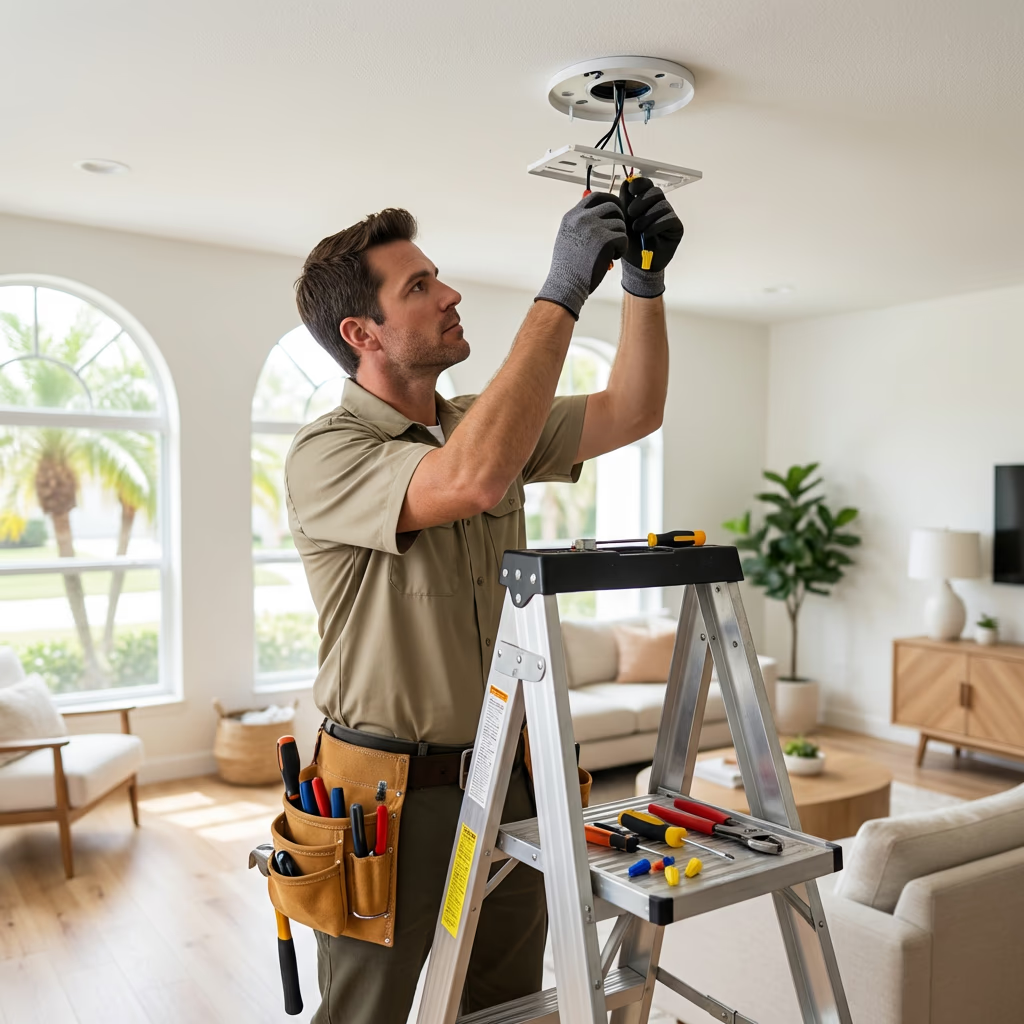
Most homeowners in Southwest Florida have a running mental list of small electrical tasks they have been meaning to get to. A ceiling fan that wobbles, an outlet that does not work, a light fixture they bought six months ago that is still sitting in the box. Individually, none of these feel urgent enough to call an electrician. But together, they add up — and the good news is that a licensed handyman can knock out your entire list in a single visit.
Common Electrical Tasks We Handle
Ceiling fan installation and replacement is far and away our most requested electrical service. In Florida, ceiling fans run ten or more months out of the year. That constant use wears out motors, loosens mountings, and eventually makes replacement a necessity rather than a luxury. Whether you are swapping an old fan for a newer, quieter model or converting a light fixture location to a fan, this is something we do almost every day.
GFCI outlet upgrades are another staple. Florida building code requires ground fault circuit interrupter protection in more locations than many homeowners realize, and older homes frequently fall short. We install GFCI outlets in kitchens, bathrooms, garages, outdoor areas, and laundry rooms — anywhere water and electricity could potentially meet.
Light fixture swaps are straightforward but make an outsized difference in how a room looks and feels. We handle everything from simple vanity light replacements to dining room chandeliers and under-cabinet kitchen lighting. Dimmer switch installation pairs well with new fixtures, giving you control over ambiance and energy use. We also replace smoke and carbon monoxide detectors, update old outlet and switch cover plates, and address any minor electrical issues that have been on your to-do list.
For a full overview of what we offer, visit our electrical services page.
Why Use a Licensed Handyman for Electrical Work
Florida law is clear: any contracting work exceeding $1,000 requires a licensed contractor. Our CBC-1259887 license covers work on existing electrical systems — outlets, fixtures, fans, switches, and similar tasks. This is not a gray area. Hiring someone without the proper license puts you at risk if something goes wrong, and it can create real problems when you sell your home and a buyer or inspector asks for permit and license documentation.
Beyond the legal requirement, there is a practical cost advantage. A typical electrician charges a trip fee of $100 to $200 per visit, then bills by the hour on top of that. If you have four or five small tasks — a fan, a couple of outlets, a light fixture — you could end up scheduling and paying for multiple visits. A licensed handyman handles all of those in a single morning, with one trip fee. The savings add up quickly.
We are also transparent about what we do not handle. Electrical panel upgrades, new circuit installation, and full home rewiring fall outside our scope. These jobs require a licensed electrician, and we are happy to refer you to trusted local pros for that work. Our lane is the existing electrical system in your home, and we stay in it.
Florida-Specific Electrical Concerns
Living in Southwest Florida creates electrical maintenance demands that are different from the rest of the country. GFCI requirements are one example. Florida code mandates GFCI protection in kitchens, bathrooms, garages, all outdoor outlets, and laundry rooms. That is a broader list than many states require, and homes built before these codes were updated often lack GFCI outlets in one or more of those locations. If your home was built or last renovated before 2014, there is a good chance you are missing GFCI protection somewhere.
Salt air is another factor that does not get enough attention. It corrodes electrical contacts and connections over time, particularly on exterior outlets, outdoor fan motors, and garage fixtures. Homes in Estero, Bonita Springs, and along the Naples coast see this corrosion accelerate. If an outlet feels loose, a switch crackles when you flip it, or an outdoor fixture has visible green or white buildup on the connections, salt air corrosion is likely the culprit.
Ceiling fans deserve a special mention because of how heavily they are used here. A fan running twelve hours a day, three hundred days a year accumulates wear far faster than the same fan in a seasonal climate. Wobbling, humming, clicking, or reduced airflow all signal that a fan motor is on its way out. Replacing a failing fan before it becomes a safety issue is always the better call.
Smoke detector replacement is one that catches many homeowners off guard. Detectors should be replaced every ten years, regardless of whether they chirp when you press the test button. A large number of homes in Southwest Florida were built during the 2005 to 2015 building boom, which means thousands of homes are now due for full smoke detector replacement. We can swap every detector in your home in a single visit.
Many of these items appear on home inspection reports. If you are buying or selling a home, see our home inspection report repair services for more detail on how we address inspection findings.
How to Get Multiple Electrical Tasks Done in One Visit
This is where working with a handyman really pays off. We encourage every customer to bring their whole list. That ceiling fan you have been meaning to replace, the GFCI outlets the home inspector mentioned, the new dining room light fixture sitting in its box, the dimmer switch you bought on a whim at Home Depot — bring all of it.
A typical morning visit might look like this: install two ceiling fans in the bedrooms, replace the kitchen and bathroom outlets with GFCI units, swap out a dining room fixture, and add a dimmer switch in the living room. That is four or five tasks that would each require a separate electrician visit, handled in one efficient trip. You save on trip fees, scheduling hassle, and the time you would spend waiting around for multiple appointments.
The most popular combinations we see are ceiling fan replacement paired with light fixture upgrades, GFCI outlet installation combined with smoke detector replacement, and full outlet and switch plate updates throughout the house. When you are already paying for a visit, adding a few extra items makes the whole project more cost-effective.
Our general home repair services cover electrical work alongside plumbing, drywall, carpentry, and more — so you can combine even more tasks into a single visit.
If you have a list of electrical items that have been piling up, the best move is to get them all handled at once. It costs less, it takes less of your time, and you will wonder why you waited. Give us a call at (239) 880-2423 or request a free estimate online.
For related topics, check out our posts on garbage disposal installation and our home inspection repair checklist — two areas where electrical items frequently overlap with other handyman work.
Frequently Asked Questions
Can a handyman legally do electrical work in Florida?
Yes, with the right license. Our CBC-1259887 license covers electrical work on existing systems — outlets, fixtures, ceiling fans, switches, and more. Work exceeding $1,000 requires a licensed contractor, which is why our license matters. We refer panel upgrades and new circuit work to licensed electricians.
How much does ceiling fan installation cost in Southwest Florida?
Ceiling fan installation typically depends on whether you are replacing an existing fan, swapping a light fixture for a fan, or installing where no fixture exists. Replacing an existing fan is straightforward. Adding a fan where only a light exists may require additional wiring. We provide free estimates for your specific situation.
Why does my home need GFCI outlets?
Florida building code requires GFCI (Ground Fault Circuit Interrupter) outlets anywhere near water — kitchens, bathrooms, garages, outdoor areas, and laundry rooms. GFCIs detect electrical faults and cut power in milliseconds, preventing electrical shock. Many older homes lack GFCI protection in all required locations.
How often should smoke detectors be replaced?
Smoke detectors should be replaced every 10 years, regardless of whether they still beep during testing. Many Southwest Florida homes built during the 2005-2015 building boom are now due for full replacement. We can replace all detectors in your home in a single visit.
What electrical items show up on home inspection reports?
Common findings include missing GFCI outlets near water sources, outdated or non-functioning smoke detectors, reversed polarity outlets, missing cover plates, and non-grounded outlets. We handle all of these and can address your full inspection report in one visit.